AI Glasses to Make Studies Easier for Visually Impaired
25 devices worth ₹7.25 lakh distributed; technology empowers students with independence
Campus Times | Lucknow
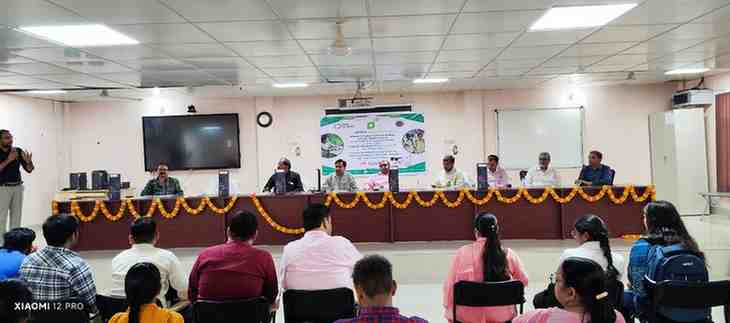
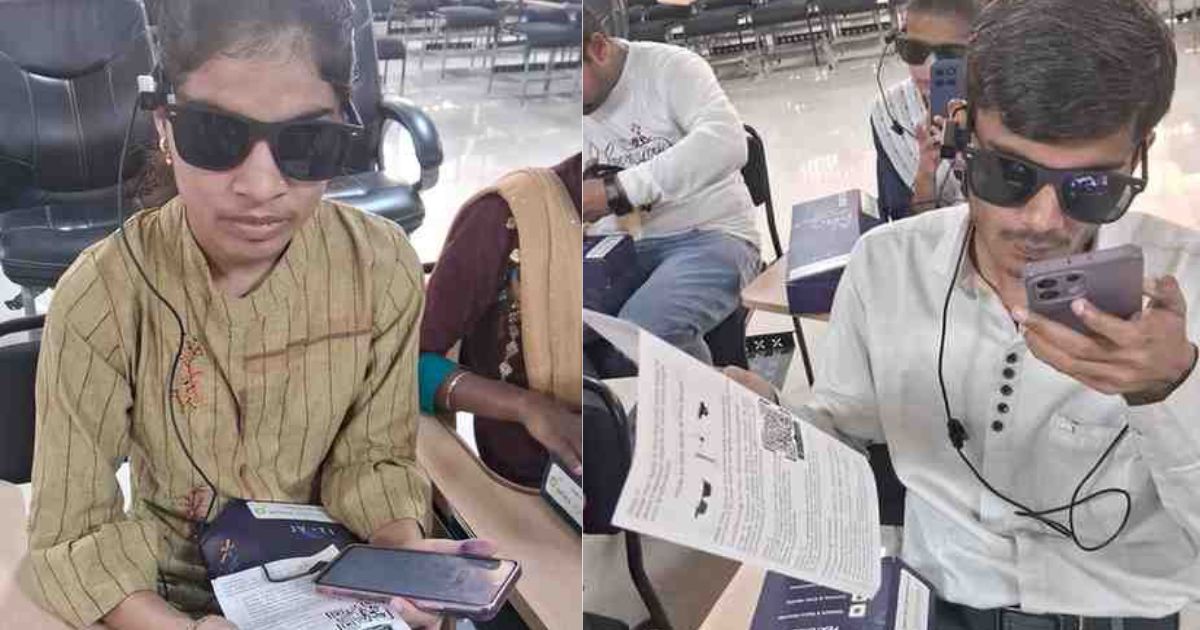
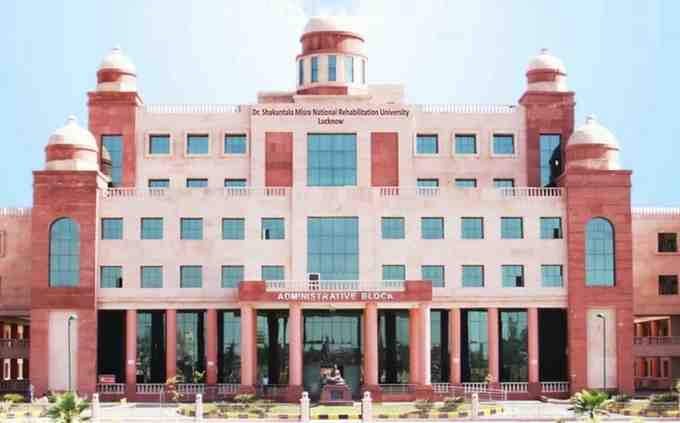
Artificial Intelligence is turning vision into possibility. AI smart glasses—equipped with cameras and sensors that convert visual information into audio—are helping visually impaired students “see” and understand their surroundings independently. In a significant CSR initiative, Aries Agro Limited distributed 25 “Jyoti AI Smart Glasses” at Dr. Shakuntala Misra National Rehabilitation University, benefiting 20 current students and 5 alumni, and reducing their dependence on scribes while making education more accessible and independent.
Students using these smart glasses can now easily read books, identify objects and faces, and navigate their surroundings. This not only simplifies their studies but also builds confidence and self-reliance—key factors for youth development.
How the Glasses Work
Developed by Torchit, these AI smart glasses function like digital eyes. They are equipped with a camera, microphone, and advanced sensors that scan the surroundings and convert visual information into audio.
With features like text-to-speech, object recognition, and real-time navigation, students can understand written content, recognize their environment, and move around independently. The device also supports voice commands, touch sensors, and gesture control, making it easy to use without physical strain.
Key Benefits for Students
The glasses are designed to directly address challenges faced by visually impaired students. With this technology, they can:
- Read printed and digital text without assistance
- Identify objects, people, and surroundings
- Navigate campuses and public places independently
- Appear for exams without relying on a scribe
This marks a significant shift from dependency to self-reliance, enabling students to actively participate in academics and daily life.
A Step Towards Equal Education
Vice-Chancellor Acharya Sanjay Singh termed the initiative “transformative,” highlighting that such innovations ensure equal learning opportunities for all. Registrar Rohit Singh also emphasized that technology-driven solutions can bring real change in students’ lives.
Each device costs around ₹29,000, with the total distribution valued at ₹7.25 lakh. However, beyond the cost, the initiative stands as a strong example of how technology can bridge the accessibility gap in education.
This effort is expected to greatly improve learning outcomes, independence, and confidence among visually impaired students—proving that the right innovation can turn limitations into new possibilities for the youth.
Related to this topic: