








.jpg)
.jpg)
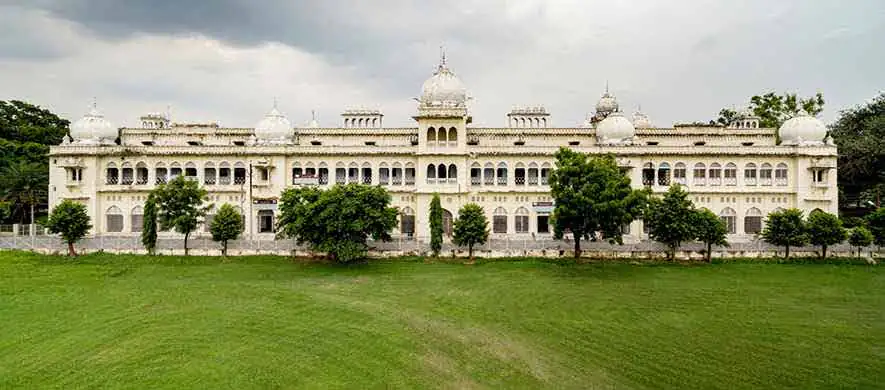
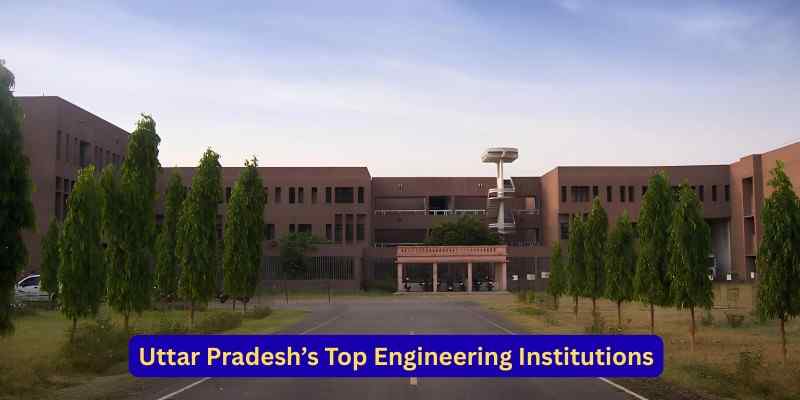
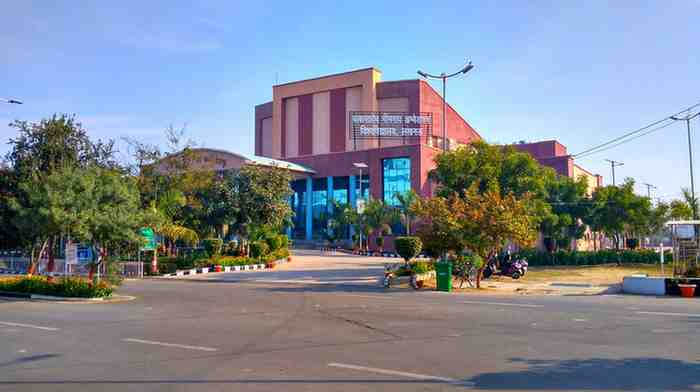
Lucknow | The Institute of Engineering and Technology (IET), Lucknow, popularly known as the “Engineering College” of the city, continues to stand tall as one of the premier technical institutions affiliated with Dr. A. P. J. Abdul Kalam Technical University (AKTU). Established in 1984 by the Government of Uttar Pradesh, IET Lucknow has, over the past four decades, earned a reputation for academic rigor, quality infrastructure, and a vibrant campus life that nurtures both technical competence and leadership.Founded as a society-governed institute and fully financed by the Government of Uttar Pradesh, IET Lucknow is administered by the Executive Council of AKTU. The institute began its journey as the Faculty of Engineering and Technology under the University of Lucknow, marking the foundation of structured engineering education in the state capital. From Three Programs to a Comprehensive Engineering HubAt its inception, IET Lucknow offered B.Tech programmes in Computer Science and Engineering, Electrical Engineering, and Electronics & Communication Engineering. Within a year, the institute expanded its academic offerings with the introduction of Civil Engineering and Mechanical Engineering, responding to the growing demand for skilled engineers. Today, the institute operates from a sprawling 100-acre campus, developed by the Uttar Pradesh Rajkiya Nirman Nigam Limited (UPRNN). The campus houses well-planned academic and administrative blocks, separate hostels for boys and girls, and nearly 100 residential quarters for teaching and non-teaching staff. The Lucknow Development Authority (LDA) played a key role in developing essential infrastructure such as roads, power supply, drainage, and sewage systems, ensuring a fully functional and self-sustained campus. A Preferred Choice for Top Engineering AspirantsAdmission to IET Lucknow is highly competitive. Undergraduate students are selected through the Uttar Pradesh State Entrance Examination (UPSEE), currently conducted by AKTU. Each year, nearly 1.5 lakh students appear for the examination, competing for seats in more than 800 engineering colleges
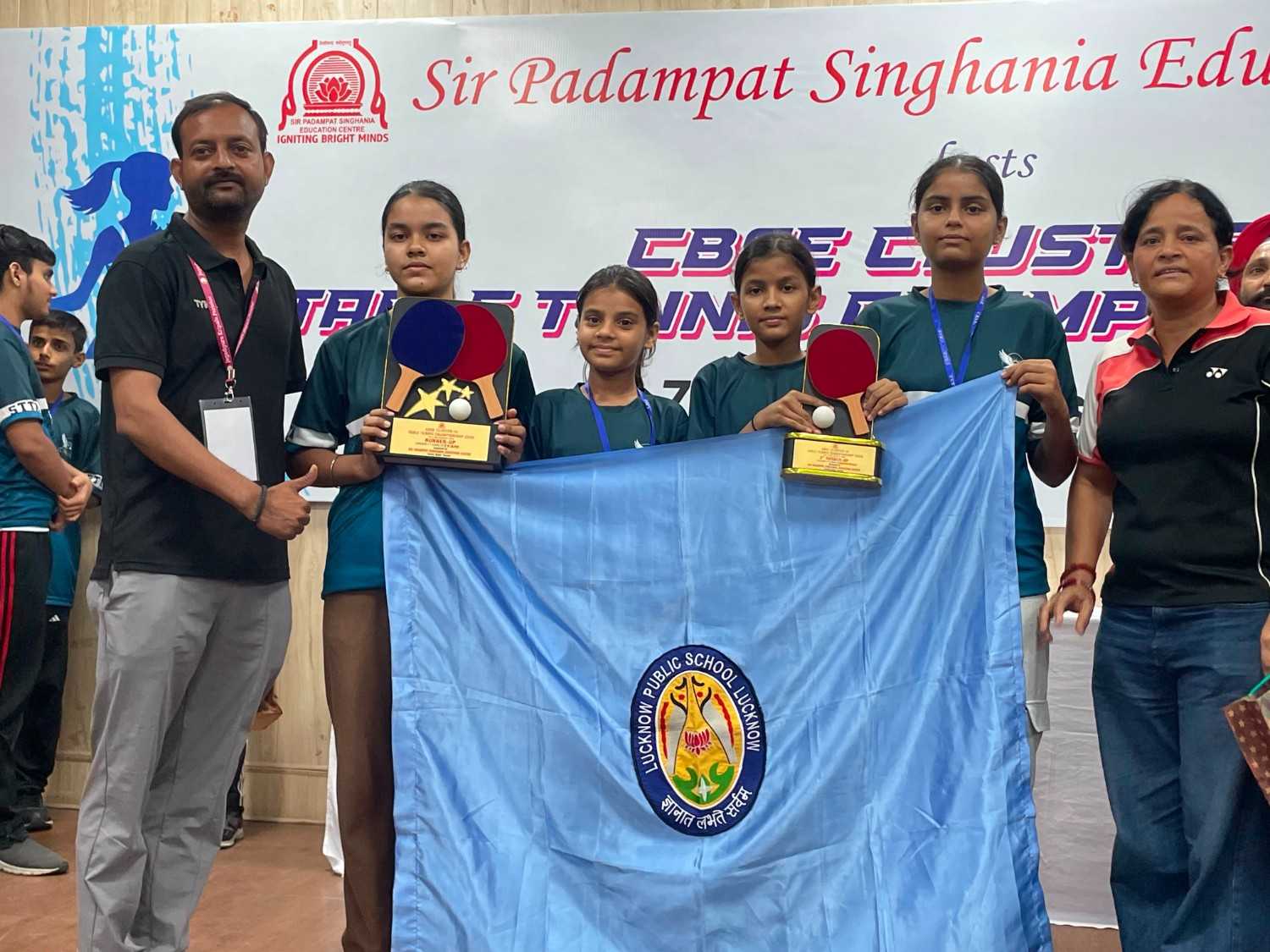
Campus Times | Lucknow Players from the Sector-D branch of Lucknow Public School (C.P. Singh Foundation) put up an exceptional performance to win three medals at the prestigious CBSE Cluster-IV Table Tennis Championship held at Sir Padampat Singhania Education Centre in Kanpur. The young players clinched silver medals in the Under-17 girls category and Under-19 boys category, along with a bronze medal in the individual event (Under-17 girls category).In this intense competition, the schools players showcased great agility, concentration, and outstanding sportsmanship. In the Under-17 girls category, the Sector-D branch team secured a silver medal after playing through tough matches. This team included Agrima Singh, Katyayani Mishra, Avantika Pal, and Ayasha Pal. All these players showed fighting spirit, reached the finals, and earned the runners-up title. Additionally, in the individual event (Under-17 girls category), Agrima Singh displayed a powerful performance to win the bronze medal.The schools dominance was also witnessed in the boys category. In the Under-19 boys category, the Sector-D branch team demonstrated exceptional skill to claim the silver medal. This team consisted of Arjun Saroj, Prabhav Kumar, Shriyansh Verma, and Raghav Mishra. Following this achievement, the school management congratulated the players, their parents, coaches, and teachers.
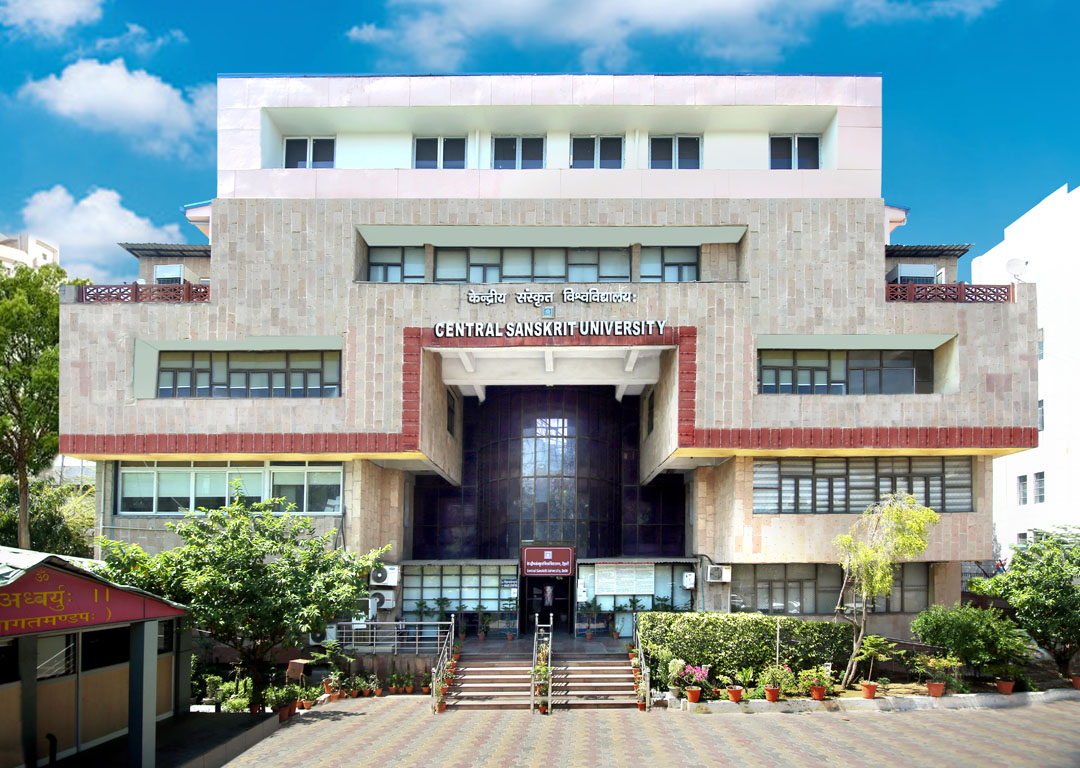
Campus times | Lucknow Central Sanskrit University (KSV) has started the admission process for its Integrated MA-PhD programme for students who have completed their graduation. Under the university’s Setu bandh Scholar Scheme, eligible candidates will get the opportunity to pursue a PhD along with their postgraduate (PG) studies. The online application process has begun on the Samarth portal. According to an order issued by the Deputy Director, Dr. Devvrat Shukla, candidates can register online on the Samarth portal for the academic session 2025-26. The last date to apply is February 23. Only those who complete the registration within the stipulated deadline will be considered for the admission process. The registration fee has been fixed at ₹200.Fee for Integrated ProgrammeAccording to information available on the university’s website, the first semester fee for the Integrated MA-PhD programme has been fixed at ₹3,600. Additionally, the fee for the second semester is ₹2,000, the third semester ₹2,850, and the fourth semester ₹1,250. All fees must be paid through the Samarth portal. As per the admission schedule, document verification and submission of the online application fee will be conducted from February 26 to March 3. Candidates must submit their birth certificate, graduation mark sheet, character certificate, and passport-size photograph as part of the admission requirements. Final approval for admission will be granted after thorough scrutiny by the admission committee. Attendance in regular classes will be mandatory for selected candidates. Candidates can obtain detailed information regarding admission from the university’s official website-sanskritadm.samarth.edu.in.
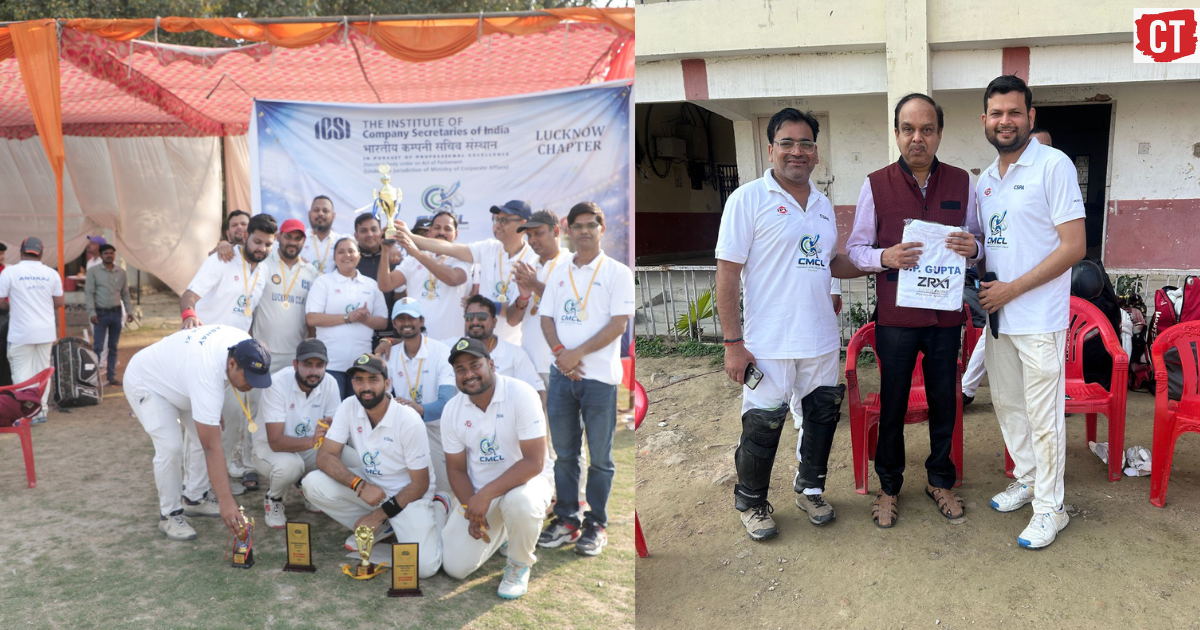
Campus Times | LucknowCSPA XI emerged champions of the two-day Corporate Mitra Cricket League held on February 21–22 in Lucknow, defeating Awadh Finance Cricket Club (CA team) in a thrilling final. The winning side was led by CS Manish Mishra. The tournament was jointly organized by the Institute of Company Secretaries of India (ICSI), Lucknow Chapter, and the Corporate Sector Professionals Association (CSPA). Four professional teams participated: Costing Crusaders (ICMAI Lucknow), LCS Legends (ICSI Lucknow), Awadh Finance Cricket Club (CAs), and CSPA XI.The event was sponsored by India Pesticides Limited, represented by CFO S.P. Gupta. At the closing ceremony, CSPA Treasurer CS Narendra Ojha congratulated participants, emphasizing that such sporting events strengthen professional bonding, networking, and overall well-being among industry experts. The league was widely appreciated across Lucknow’s professional community as a successful blend of sportsmanship and corporate camaraderie.
Campus Times | LucknowIn a major update for students seeking higher education in Lucknow, admissions for the 2026–27 academic session have officially begun at Shri Jai Narain Misra Post Graduate College, one of the city’s prominent institutions offering a wide array of undergraduate and postgraduate programmes.The admission process is being conducted entirely online, making it convenient for aspirants to apply from anywhere through the college’s official portal. With a strong mix of traditional and professional courses, the college is once again expected to attract a large number of applicants this year.High Seat Availability Across Popular CoursesJNMPG College is offering substantial seat capacity in key undergraduate programmes. BA and BCom lead with 1,080 seats each, making them among the most accessible options for students. BCom (Honours) offers 60 seats for those aiming for specialised commerce education.In the science stream, BSc Biology (420 seats) and BSc Mathematics (300 seats) remain top choices, while BSc Computer Science and BSc Statistics provide 60 seats each, catering to the growing demand for tech and data-driven fields.Professional courses such as BBA and BCA, with 60 seats each, are also gaining traction among students looking for career-oriented degrees.Strong Options in Law and EducationAt the postgraduate and professional level, the college is offering LLB with 320 seats, making it a significant hub for legal studies in the region. Additionally, BEd and BPEd programmes, with 50 seats each, continue to draw students interested in teaching and physical education careers.Focus on Smooth Admissions & Quality EducationPrincipal K.K. Shukla highlighted that the college is committed to ensuring a seamless admission process while maintaining its academic standards across disciplines.Interested candidates are advised to complete their applications within the stipulated timeline through the official website.
Campus Times|LucknowThe Central Placement Cell of Lucknow University has announced a major employment opportunity for students. ICICI Bank Limited, one of India’s leading private sector banks, has invited applications for 60 posts of Sales Manager and Relationship Manager.The application process will begin on February 10 and will remain open until February 11. Interested candidates can access detailed information regarding the recruitment process on the official website of Lucknow University www.lkouniv.ac.in under the Central Placement Cell section. According to the bank, all appointments will be made on a pan-India basis, depending on business requirements. Selected candidates will be responsible for acquiring new customers, contributing to business growth, maintaining regular communication with clients, managing customer relationships, providing suitable banking solutions, and ensuring service delivery as per established policies.Eligibility Criteria• Candidates must have secured a minimum of 60% marks in both Class 10 and Graduation.• The maximum age limit is 25 years.• Strong communication skills, customer relationship management abilities, sales aptitude, problem-solving skills, and basic knowledge of banking products are essential.Other Terms and Benefits• Selected candidates should be willing to accept relocation and regional travel, for which additional allowances will be provided.• The annual compensation offered will be ₹5 lakh per annum (CTC), which may vary based on the city of posting.• Additional benefits include performance-based incentives, medical insurance, and other employee benefits.
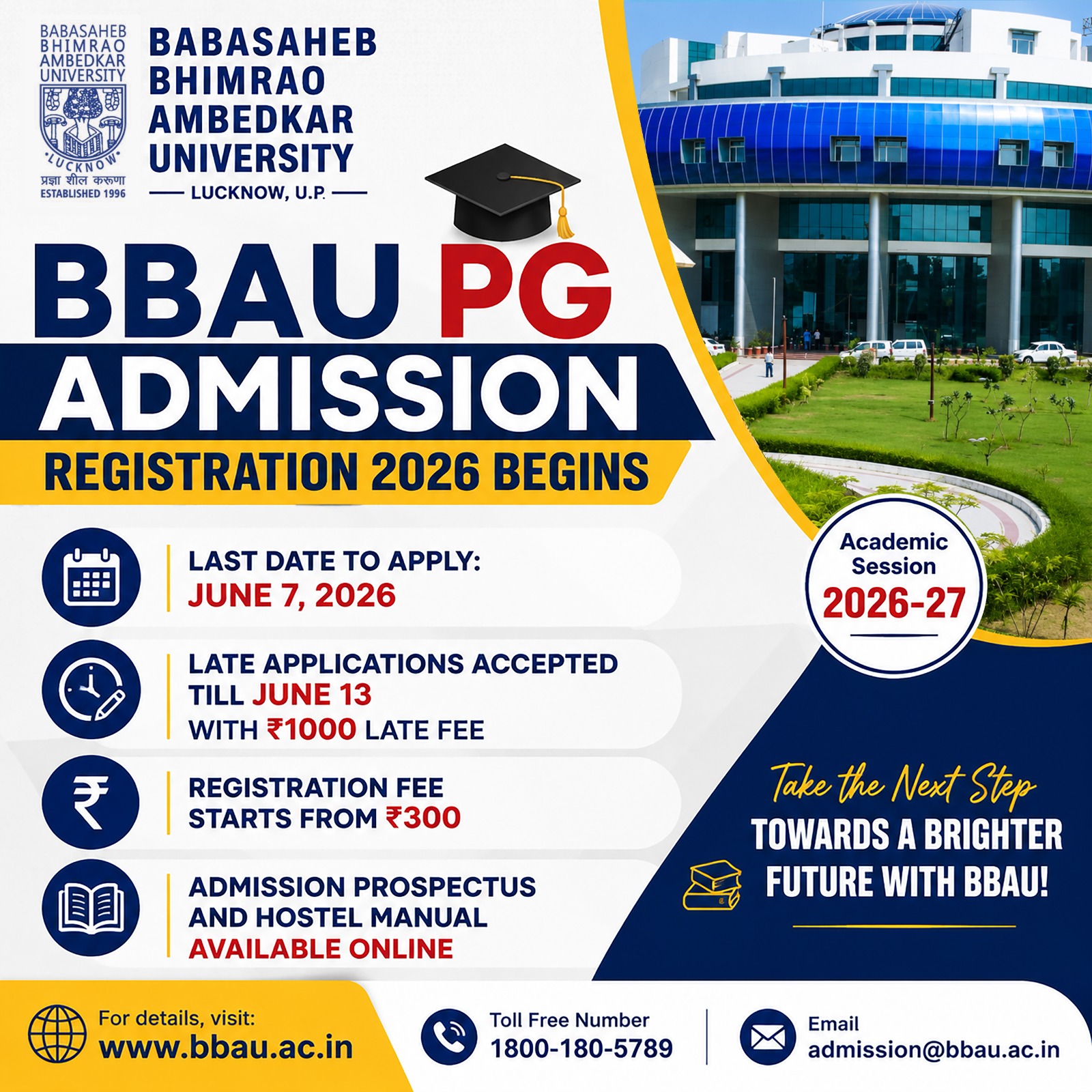
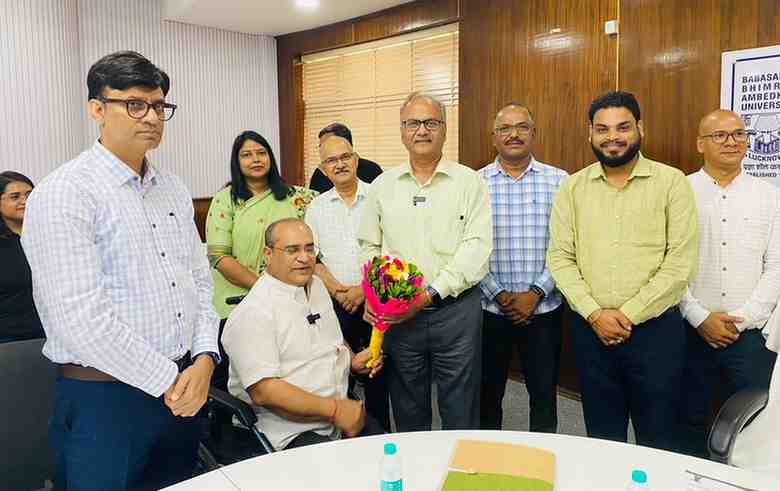
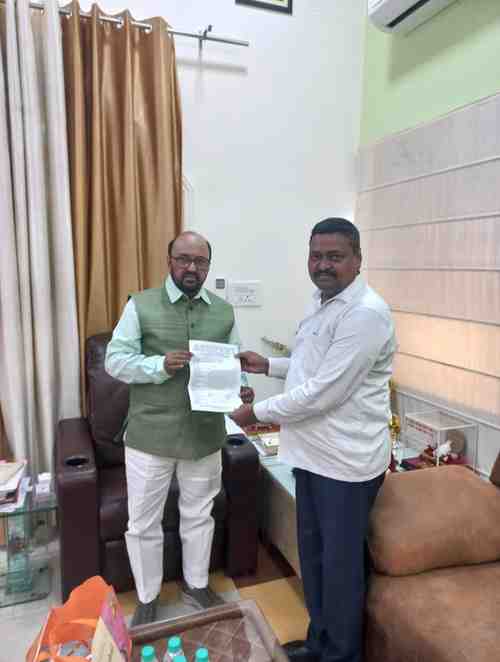
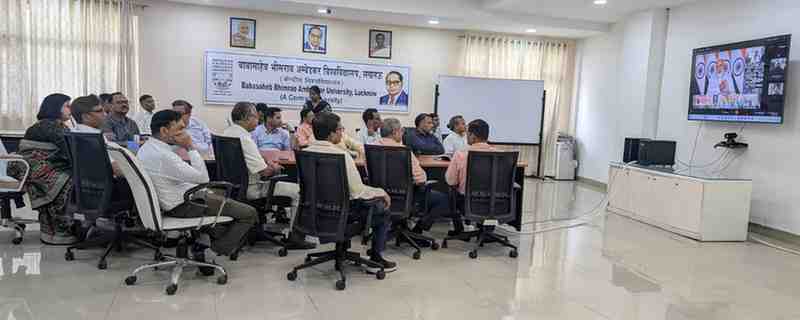
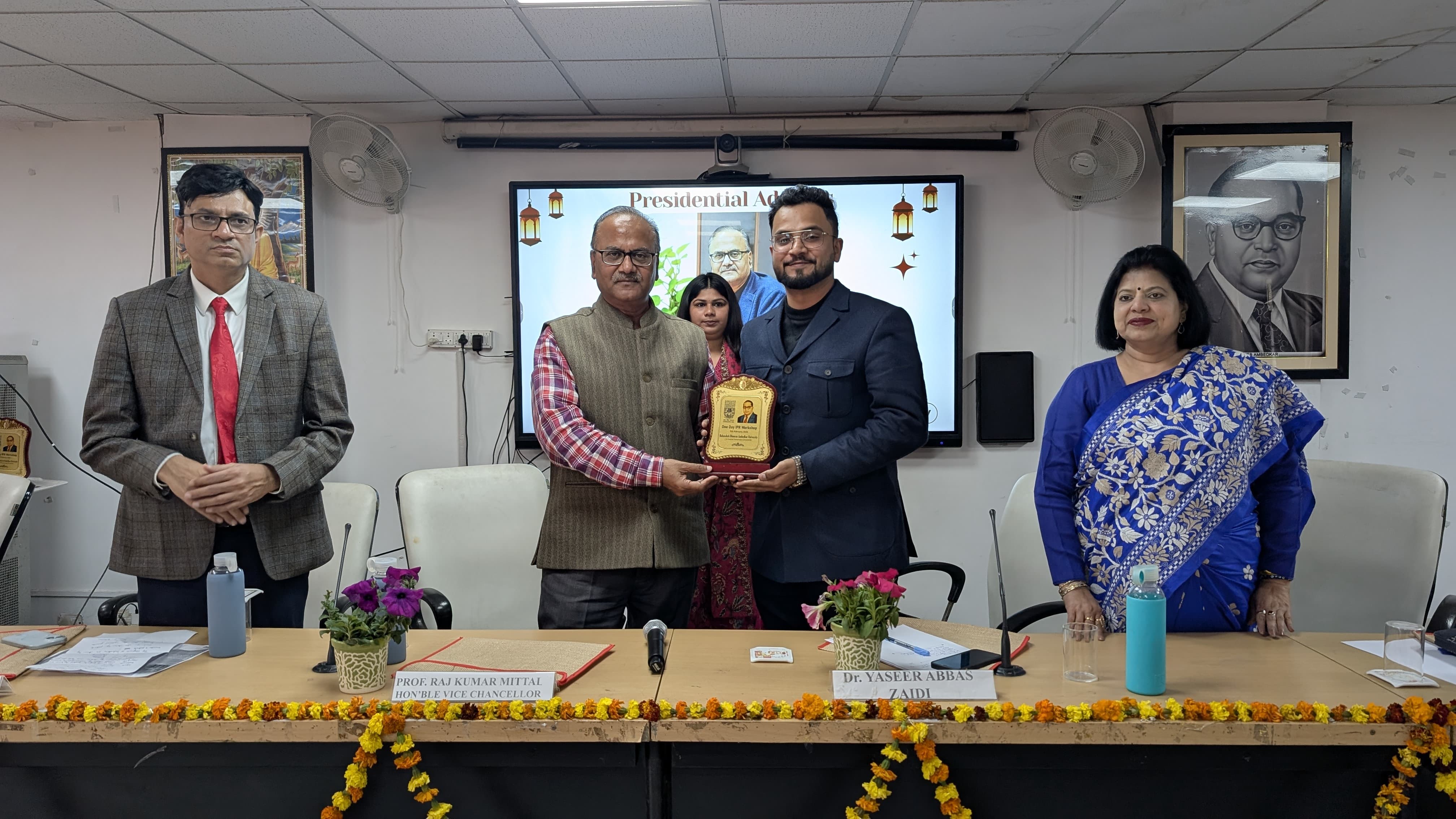
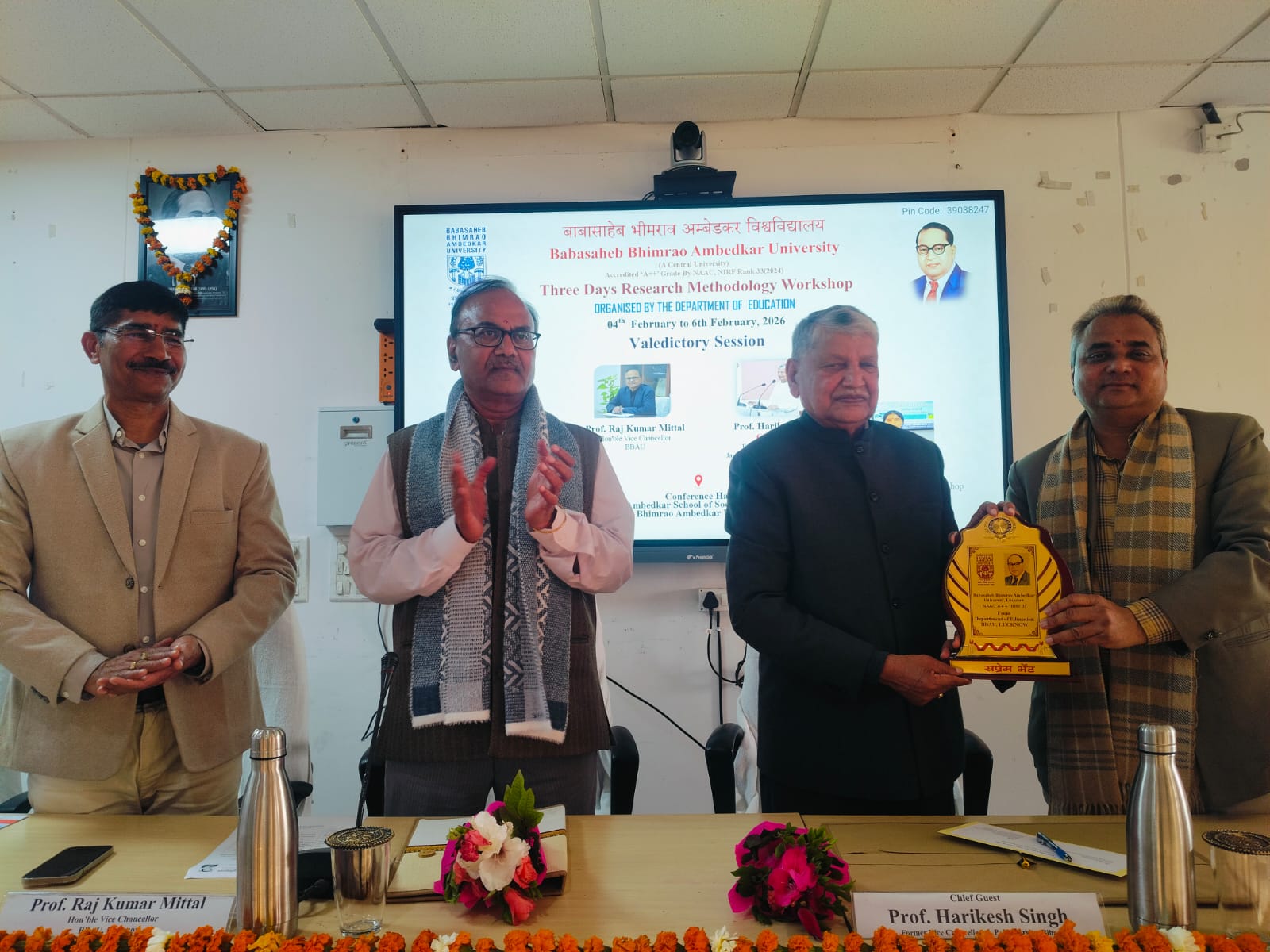
Campus Times | LucknowThe Vice-Chancellor of Babasaheb Bhimrao Ambedkar University, Prof. Raj Kumar Mittal, paid a courtesy visit to India’s Defence Minister Rajnath Singh at his residence, where the two leaders discussed the university’s academic progress, research initiatives and future development plans.During the meeting, Prof. Mittal briefed the Defence Minister about the ongoing academic activities, key institutional initiatives and infrastructure development projects underway at the central university in Lucknow. He also shared details about efforts being made to strengthen research, promote innovation and enhance opportunities for students.Rajnath Singh appreciated the university’s efforts toward academic excellence and expressed his best wishes for the continued growth of the institution and the bright future of its students.The discussion also focused on the broader role of universities in nation-building, highlighting the importance of quality education, holistic development and research-driven growth. Both leaders emphasized the need to further strengthen higher education institutions to contribute effectively to society and national development.
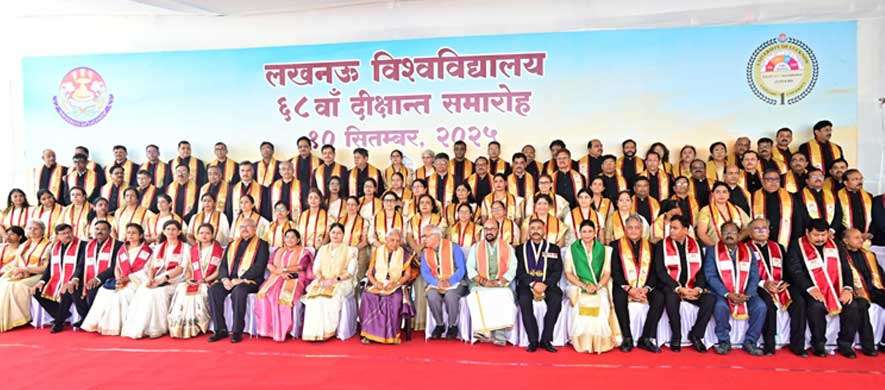
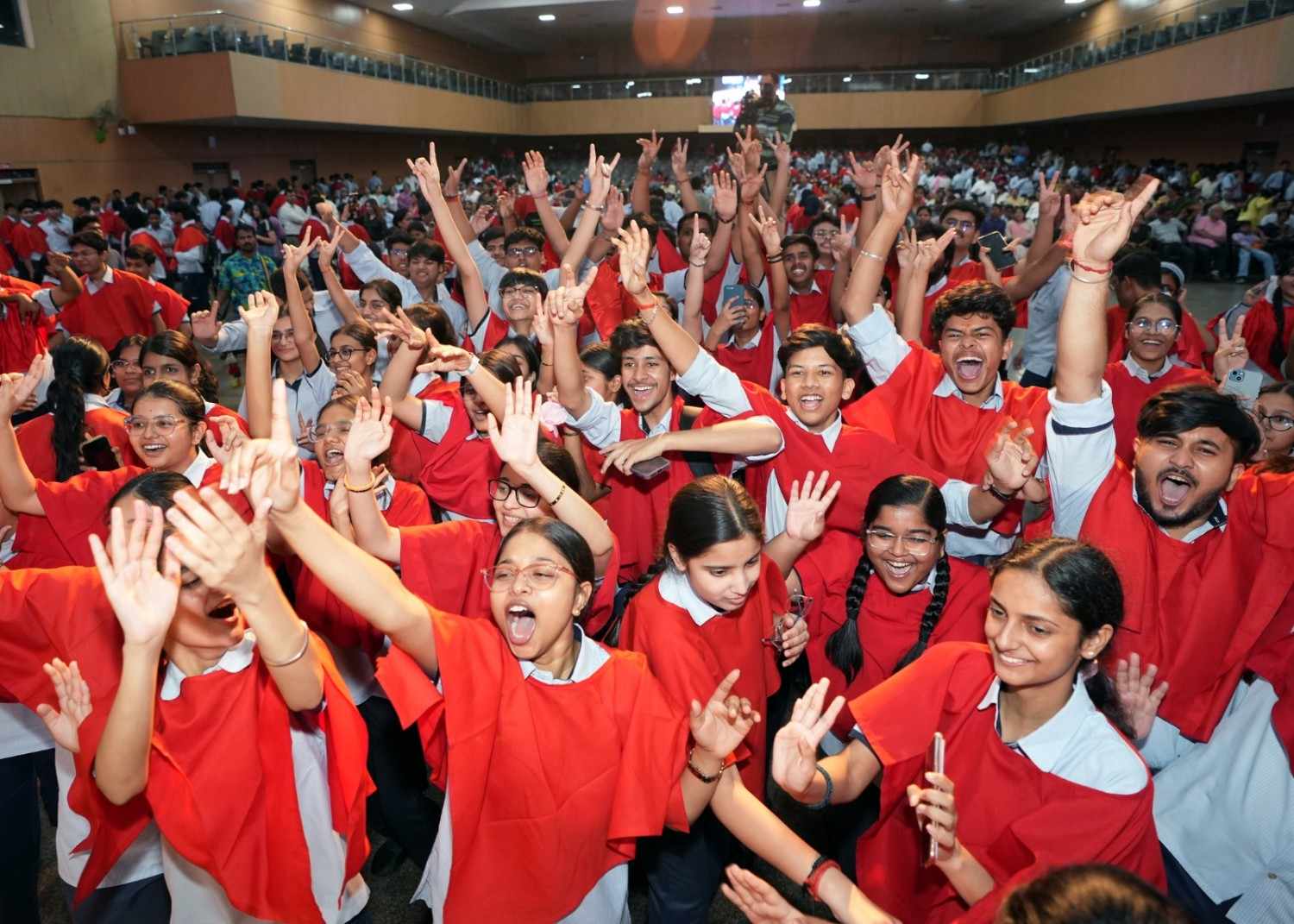
Campus Times | LucknowLucknow University has announced the official dress code for its 69th Convocation Ceremony, scheduled to be held on July 31, making ceremonial attire mandatory for faculty members, university officials, students and all dignitaries participating in the event.The guidelines, issued by Registrar Dr Bhavana Mishra, prescribe a coordinated traditional dress code aimed at ensuring uniformity and maintaining the ceremonial decorum of one of the university most significant academic events.Male faculty members and university officials have been asked to wear a white long kurta, white churidar pyjama with a narrow hem, a maroon jacket, and black formal shoes. Female faculty members and officials will be required to wear a cream saree with a golden border, a cream blouse, a maroon jacket, and black formal footwear.For students, the university has also specified separate ceremonial attire. Male students will wear a maroon kurta, cream churidar pyjama, black formal shoes, and a cream satin stole featuring a maroon border. Female students may choose between a maroon kurta paired with a cream salwar or churidar (along with a dupatta or hijab, where applicable) or a maroon saree, complemented by black formal shoes and a cream stole with a golden border.The university has also designated ceremonial stoles for the Chancellor, Vice Chancellor, Chief Guest, Guest of Honour, honorary degree recipients, the Registrar, and members of the Academic Council and Executive Council, in keeping with their respective roles during the convocation.To facilitate preparations, ceremonial stoles for faculty members will be distributed on July 29 and 30 through the offices of the respective Heads of Departments.The university has directed all participants to strictly adhere to the prescribed dress code to ensure a dignified and well coordinated convocation ceremony.
Campus Times | Lucknow Khwaja Moinuddin Chishti Language University is set to introduce a new B.Tech programme in Cyber Security from the 2026–27 academic session, expanding its focus on technology-driven and career-oriented education. The course will be offered under the university’s Computer Science and Engineering department and is expected to cater to the rising demand for skilled cyber security professionals across industries.According to university officials, the programme has been designed around current industry requirements and emerging digital security challenges. Students enrolled in the course will receive training in key domains such as ethical hacking, digital forensics, network security, cyber threat analysis and data protection technologies.The university plans to run the programme in collaboration with industry experts and technology partners to ensure practical exposure alongside academic learning. Officials said the curriculum will include hands-on projects, workshops, internships and placement support to help students gain real-world experience before graduation.The initiative comes at a time when organisations across sectors are increasing investments in cyber security amid growing concerns over online fraud, data breaches and digital attacks. With cyber security becoming one of the fastest-growing career fields globally, the programme is expected to create strong employment opportunities for engineering aspirants in Uttar Pradesh and nearby regions.Recently, the department also organised a cyber security awareness workshop to encourage students to understand safe digital practices and emerging cyber risks.Vice-Chancellor Prof. Ajay Taneja said the university is continuously working towards introducing modern and employment-focused courses that prepare students for future technologies. Head of Department Dr. Suman Kumar Mishra described the new programme as an important step towards providing advanced technical education to students interested in the cyber security domain.
Campus Times | LucknowInstitute of Engineering and Technology (IET), Lucknow has started the online application process for admission to vacant seats in its M.Tech programmes for the 2026-27 academic session. The institute is inviting applications from candidates who have qualified GATE 2026 or CUET PG 2026, while also keeping the door open for non-GATE applicants if seats remain unfilled after the counselling process.According to the institute, admissions for GATE qualified candidates have already been completed in two phases. The current application round is aimed at filling the remaining vacancies across seven specialised M.Tech programmes.The programmes on offer include Environmental Engineering, Microelectronics Engineering, Biotechnology, Mechanical Engineering, Power and Energy Systems, Structural Engineering, and Artificial Intelligence & Data Science. Each programme has an intake of 18 seats.IET Lucknow Director Prof. Virendra Pathak said eligible candidates can submit their applications online through the institute official website until 11:59 pm on July 22.The institute has clarified that if seats remain vacant after admitting GATE and CUET PG qualified candidates, applicants who have not qualified either examination but meet the prescribed eligibility criteria with a B.Tech degree will also be considered for admission.The move is expected to widen access to postgraduate engineering education by providing an opportunity to a larger pool of aspiring candidates while ensuring that available seats do not remain vacant.
Campus Times | LucknowKhwaja Moinuddin Chishti Language University (KMCLU), Lucknow, has started the admission process for its PhD programmes for the academic session 2026–27. Eligible candidates can submit their online applications from June 1 to June 30, 2026.Interested applicants may apply through the university’s official website and the Samarth admission portal before the deadline.Seats available across multiple disciplinesThe university has announced PhD vacancies in a wide range of academic and professional disciplines, providing opportunities for aspiring researchers across diverse fields.Computer Science and Engineering has the highest number of seats with 17 vacancies, followed by Pharmacy with 12 seats. Urdu and Legal Studies have 11 seats each, while Arabic and Applied Sciences & Humanities (Mathematics) offer eight seats each.Other disciplines with available seats include Biotechnology Engineering (5), Physical Education (5), Education (4), Business Administration (4), Commerce (3), Mechanical Engineering (3), Chemistry (3), Economics (2), Home Science (2), Computer Science & Information Technology (2), and English & Modern European and Asian Languages (1).Reservation benefits will be provided in accordance with the Uttar Pradesh Government’s reservation policy.Admission processAdmission to the PhD programmes will be conducted through the Research Entrance Test (RET), followed by an interview. Candidates who secure the prescribed minimum qualifying marks in the entrance examination will be shortlisted for the interview round.The university has advised applicants to carefully read the official admission notification and ensure they meet all eligibility criteria before submitting their applications.University focused on strengthening researchEmphasising the institution’s commitment to academic excellence and research development, KMCLU Vice-Chancellor Prof. Ajay Taneja said that the university is continuously strengthening its research ecosystem by expanding opportunities across various disciplines.He stated that the availability of seats in multiple subjects would enable a larger number of scholars to pursue advanced research and contribute meaningfully to knowledge creation in their respective fields.Candidates advised to apply
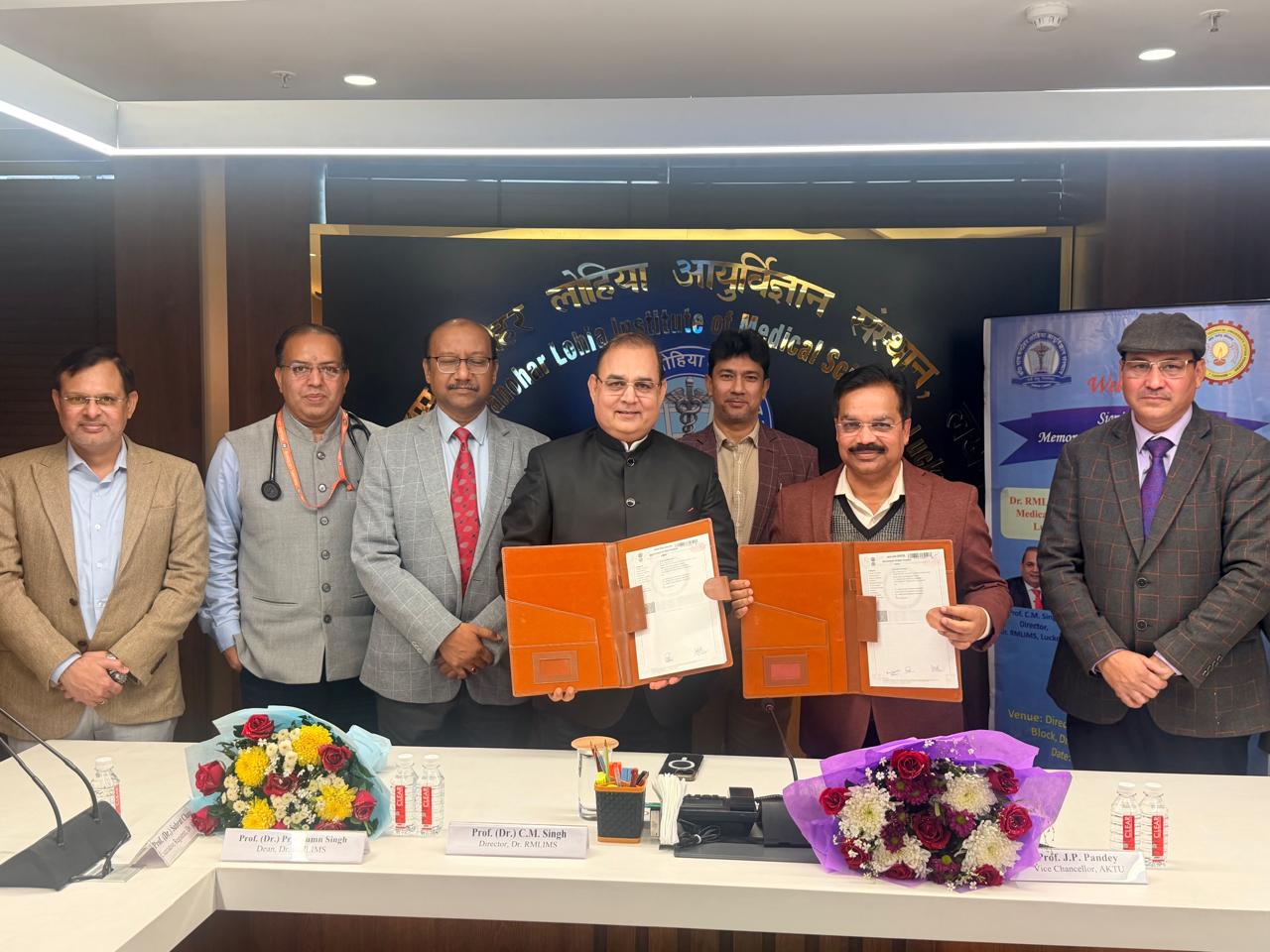
Lucknow | In a major step towards strengthening technology-driven healthcare in Uttar Pradesh, Dr. A.P.J. Abdul Kalam Technical University (AKTU), Lucknow, and Dr. Ram Manohar Lohia Institute of Medical Sciences (Dr. RMLIMS) have signed a Memorandum of Understanding (MoU) to collaborate in the field of medical research and innovation. The partnership aims to make medical treatment more efficient, accessible, and affordable through the use of emerging technologies.The MoU was signed on Tuesday by AKTU Vice-Chancellor Prof. J.P. Pandey and Dr. RMLIMS Director Dr. C.M. Singh. The agreement lays the foundation for long-term collaboration in research and development, with a shared focus on improving clinical outcomes and public health services.Technology to Simplify Medical PracticesUnder the collaboration, AKTU will extend technical support through advanced and emerging technologies such as Artificial Intelligence (AI), Machine Learning (ML), 3D Printing, and Nanotechnology. Experts from AKTU will work closely with medical professionals at Dr. RMLIMS to explore practical applications of these technologies, especially in the diagnosis and treatment of complex diseases. The initiative is expected to simplify medical procedures and enhance precision in healthcare delivery.Joint Research and Capacity BuildingThe MoU emphasizes the establishment of joint research and development initiatives between the two institutions. Collaborative research projects, technical seminars, workshops, and faculty development programmes (FDPs) will be organized regularly. These activities will help doctors, researchers, teachers, and students stay aligned with the latest technological advancements in the medical field.Focus on Public Health and Social ImpactBeyond academic collaboration, the partnership is driven by a larger social objective. By integrating technology with medical science, both institutions aim to contribute to the development of advanced healthcare solutions that serve society and the nation. The exchange of technical knowledge and expertise is expected to support innovation in public health and allied sectors.Long-Term Benefits for PatientsThe MoU is expected to deliver far-reaching









.jpg)











.jpg)






.jpeg)






.jpg)