Fuel Crisis Fears? India Holds Strategic Oil Buffer, Says PM Narendra Modi
Strategic reserves, diversified imports, and rising refining capacity keep India steady amid West Asia turmoil
Campus Times | Lucknow
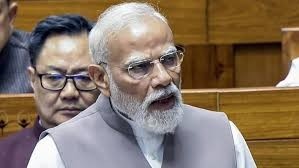
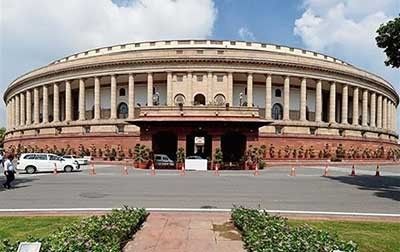
As tensions in West Asia continue to disrupt global energy markets, Prime Minister Narendra Modi assured Parliament that India remains well-prepared to tackle any fuel supply shock, backed by strategic reserves and diversified sourcing.
Speaking in the Rajya Sabha, Modi acknowledged that the ongoing conflict has triggered volatility in crude oil prices and disrupted key shipping routes, particularly around the Strait of Hormuz—a corridor through which nearly a fifth of the world’s oil supply passes. “This crisis has impacted the entire global economy, and India is not untouched,” he noted.
India’s Oil Shield: Ready for Crisis
Prime Minister Narendra Modi highlighted that India has built 53 lakh metric tonnes of strategic crude reserves for emergencies, with an additional 65 lakh metric tonnes under development to further strengthen its buffer against global shocks.
He noted that India has significantly expanded its refining capacity over the past decade, emerging as a major global refining hub capable of meeting domestic demand and exporting fuel—adding flexibility during disruptions.
The government has also focused on import diversification, sourcing crude from countries like the United States and Russia to reduce dependence on West Asia. To manage the situation, seven empowered groups have been formed to monitor fuel, supply chains, and other key sectors.
Modi also pointed to a ₹70,000-crore shipbuilding push to strengthen logistics, while experts say India’s reserves and commercial stocks together provide a solid safety net. He reiterated that India supports peace and dialogue, warning that prolonged conflict could impact the global economy.
Despite the uncertainty, the Prime Minister struck a confident note: India’s combination of strategic reserves, diversified imports, and expanding infrastructure positions it to navigate the ongoing energy crisis without major disruption.
Related to this topic: