India Builds Forest-Like Wildlife Overpass Near Ranthambore National Park on Delhi–Mumbai Expressway
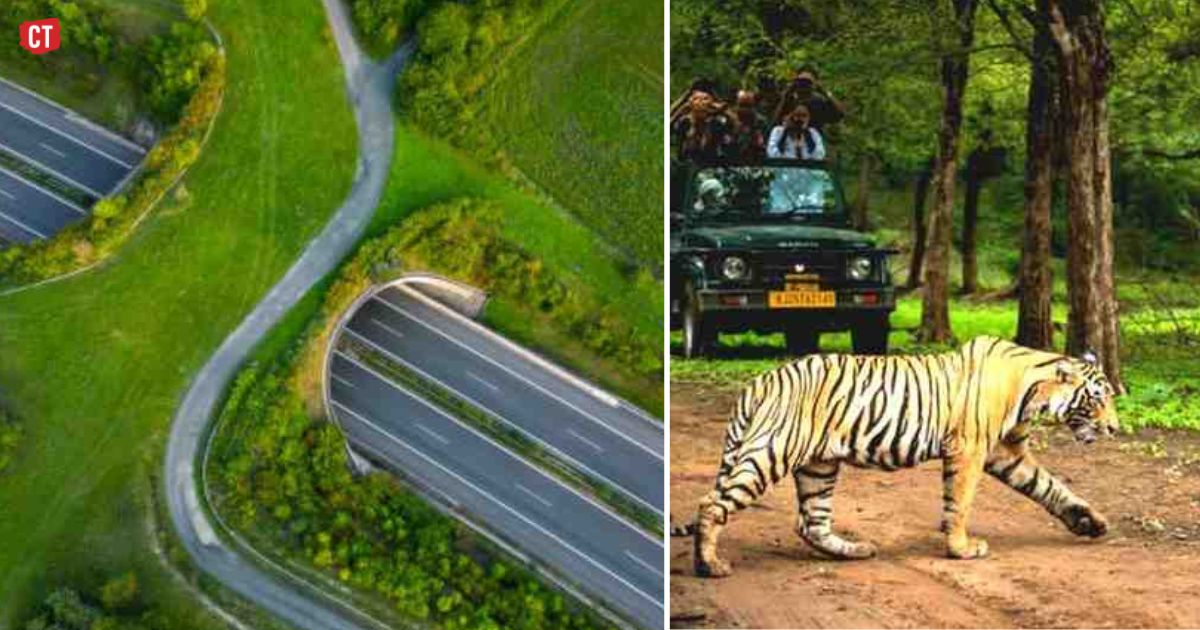
3.5 km green overpasses and 1.2 km underpass create a safe, seamless corridor connecting major tiger habitats
Campus Times | Lucknow
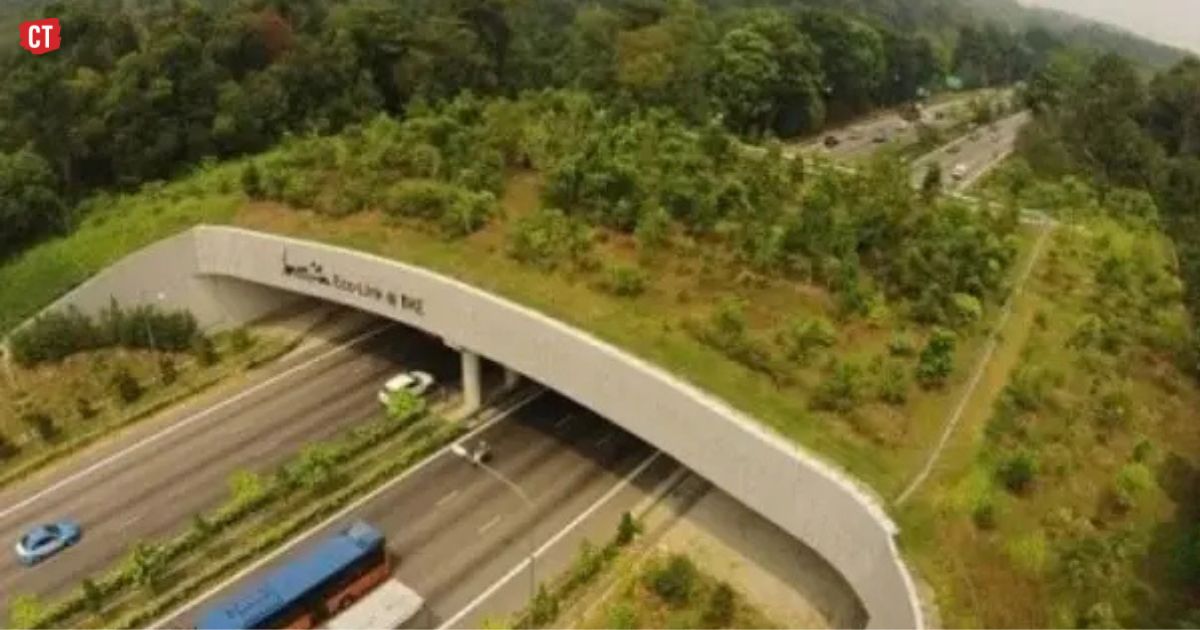
In a landmark step toward sustainable infrastructure, India has developed its largest animal overpass system along an 11.5 km stretch of the Delhi–Mumbai Expressway near Ranthambore National Park. The project stands as a rare example of coexistence, where high-speed traffic and wildlife movement operate independently—without conflict.
Officials said the highlight of the project is a 3.5-km-long animal overpass system, divided into multiple segments, allowing animals to cross above the expressway safely. In addition, a 1.2-km dedicated underpass has been constructed, providing an alternative route for species that prefer moving beneath the road.
The corridor is strategically designed to reconnect key forest habitats, linking Ranthambore National Park with Ramgarh Vishdhari Wildlife Sanctuary, Mukundra Hills National Park and Kuno National Park. Wildlife experts believe this will help restore a crucial inter-state corridor, particularly for tigers and other large mammals.
Unlike conventional flyovers, the overpasses have been designed to mimic natural forest conditions. Layers of soil and native vegetation have been added to encourage animals to use the crossings instinctively, reducing hesitation and stress.
To enhance safety, authorities have installed high boundary walls to prevent animals from straying onto the highway and sound barriers to minimise traffic noise. Covered stretches equipped with over 1,500 LED lights ensure visibility for motorists passing beneath the green corridors.
Experts say the project could significantly reduce wildlife-vehicle collisions, a persistent concern in forested regions intersected by highways.
With this initiative, India joins a select group of countries adopting large-scale wildlife-friendly infrastructure, setting a precedent for future highway projects where ecological preservation is integrated into core design.
Related to this topic: