BBAU researchers develop AI powered dengue forecasting model to strengthen India public health preparedness

New study identifies high risk states, highlights Kerala elevated fatality rate, and advocates region-specific disease surveillance strategies
Campus Times | Lucknow
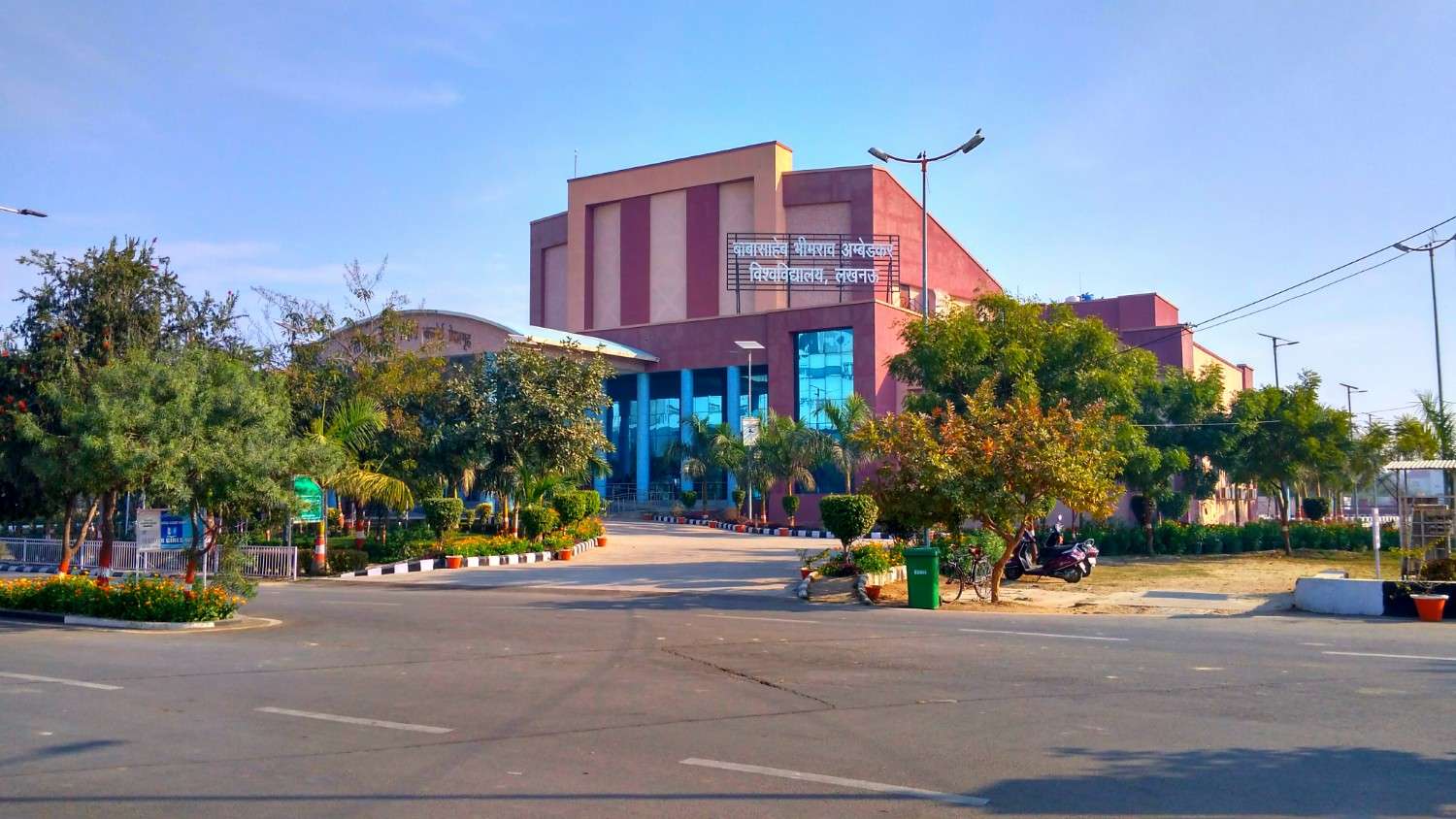
Researchers at Babasaheb Bhimrao Ambedkar University (BBAU), Lucknow, have developed an Artificial Intelligence (AI) and Machine Learning (ML) based dengue forecasting model that could significantly enhance disease surveillance and public health planning across India.
The study, published in Discover Public Health, a peer reviewed journal by Springer Nature, was led by Dr. Yusuf Akhter from the Department of Biotechnology in collaboration with Dr. Subhash Kumar Yadav from the Department of Statistics.
The research evaluated five forecasting techniques—Naïve Method, Simple Exponential Smoothing (SES), ARIMA, Linear Regression (LR), and Support Vector Regression (SVR) using dengue incidence and mortality data from Indian states collected between 2017 and 2024. Instead of applying a single national model, the researchers identified the most effective method for each state, acknowledging India diverse epidemiological conditions.
UP among states with higher dengue risk
According to the study projections, Uttar Pradesh, Karnataka, Punjab, and Maharashtra are likely to record higher numbers of dengue cases and deaths in 2025. The findings highlight the need for targeted interventions and better resource allocation.
The study also revealed that Kerala consistently reported the highest dengue Case Fatality Rate (CFR), averaging 0.551%. This raises concerns regarding clinical management practices and healthcare preparedness in the state.
Researchers observed significant variations in disease patterns and model performance across states, reinforcing the need for localized surveillance systems and region-specific response strategies instead of a uniform national approach.
Framework for data-driven public health planning
The study provides an evidence-based framework for selecting forecasting tools based on regional disease trends. Researchers believe the findings can support policymakers in healthcare planning, vector-control strategies, outbreak preparedness, and efficient resource deployment.
Congratulating the research team, BBAU Vice Chancellor Prof. Raj Kumar Mittal described the achievement as a matter of pride for the university and emphasized its relevance in India’s fight against vector-borne diseases.
With dengue cases continuing to rise across the country, experts believe that AI based forecasting models will play an increasingly important role in strengthening public health response and reducing the impact of future outbreaks.
Related to this topic: