IET Lucknow to make AI education mandatory for all first year B.Tech students from 2026
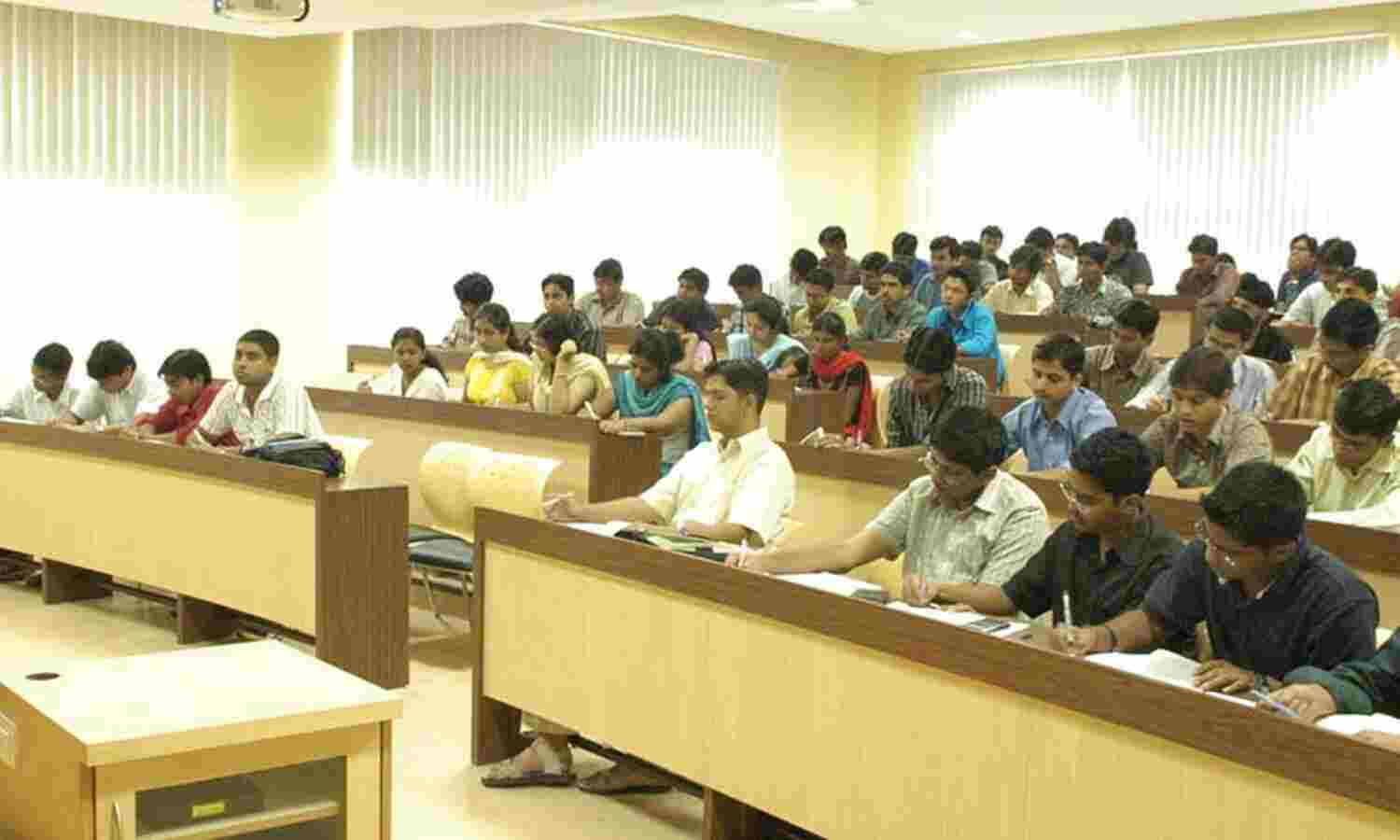
New two credit course will introduce branch specific AI applications early in engineering education, while students will also get the option to pursue a minor in Quantum Physics and Technology.

Campus Times | Lucknow
In a significant move aimed at aligning engineering education with emerging technologies, Dr. A.P.J. Abdul Kalam Technical University’s Institute of Engineering and Technology has decided to introduce a compulsory AI and Applications course for all first year B.Tech students from the 2026-27 academic session.
The institute has initiated preparations for the rollout and constituted a committee to design the curriculum. The proposed course will carry two academic credits and will be taught from the first semester itself, enabling students to gain an early understanding of artificial intelligence and its practical applications across engineering disciplines.
According to institute officials, the course is being developed with a dual focus. Along with covering the fundamentals of AI, it will expose students to domain specific applications relevant to their respective branches. This approach is expected to help students understand how AI is transforming traditional engineering fields and industry practices.
IET Lucknow currently offers B.Tech programmes in disciplines such as Civil Engineering, Mechanical Engineering, Electrical Engineering, Electronics Engineering and Computer Science, among others. The new curriculum is expected to integrate AI use cases tailored to these streams, making the learning experience more practical and industry-oriented.
Director Virendra Pathak said the course is being designed in a way that allows students to build a strong foundation in AI while also exploring its applications within their chosen field of study. The initiative aims to equip future engineers with skills that are increasingly becoming essential across sectors.
In another academic reform, the institute is also set to introduce an optional minor degree in Quantum Physics and Technology from the third semester of the second year. Students will have the flexibility to opt for the programme based on their interests and career aspirations.
The introduction of AI education at the entry level and the planned quantum technology minor reflect a broader shift in technical education toward emerging and future-focused technologies, as institutions seek to prepare students for rapidly evolving industry demands.
Related to this topic: