Arsenic and Fluoride in Groundwater Raise Health Concerns in Ganga-Gomti Region, BBAU Launches Major Research Initiative

Rising contamination in drinking water sources prompts scientific intervention to ensure safe groundwater and long term environmental protection in Uttar Pradesh
Campus Times | Lucknow
Increasing contamination of groundwater with arsenic and fluoride in the Ganga-Gomti Doab region of Uttar Pradesh has emerged as a serious environmental and public health concern. Prolonged exposure to arsenic is associated with severe health impacts such as skin disorders, cardiovascular diseases, and cancer risks, while excessive fluoride intake can lead to dental and skeletal fluorosis.
Experts also warn that the simultaneous presence of both elements in drinking water may intensify health hazards, while also affecting soil quality, agricultural productivity, and local ecosystems.
ANRF funds major study at BBAU
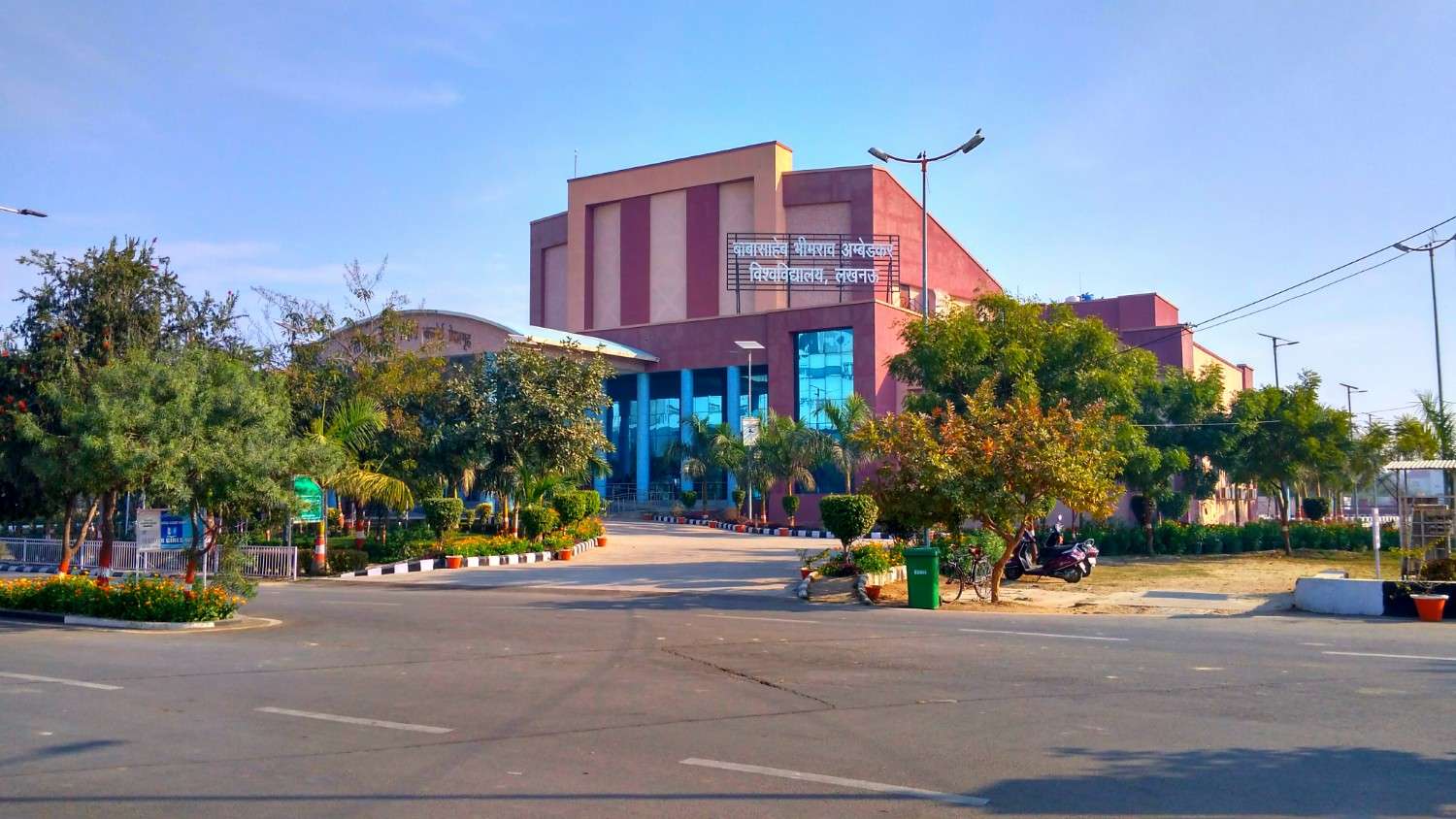
To address this growing challenge, Babasaheb Bhimrao Ambedkar University, Lucknow has secured a research grant of approximately Rs 75 lakh from the Anusandhan National Research Foundation for a three-year scientific study on groundwater contamination in the region. The project is jointly led by Prof. Narendra Kumar and Dr. Monica.
The research project, titled Hydrological Mapping of Arsenic and Fluoride in Ganga-Gomti Doab: An Integrated Approach on Co-occurrence, Environmental Dynamism and Sustainable Mitigation Methods, will focus on identifying spatial distribution patterns of contaminants in groundwater.
It will also examine key factors contributing to pollution, including natural geological sources, groundwater over-extraction, and changing hydrological conditions. The study aims to generate detailed contamination maps and assess how environmental dynamics influence the mobility and concentration of toxic elements.
Toward safe drinking water solutions
Beyond mapping and analysis, the project will work on developing sustainable mitigation strategies to reduce contamination levels in affected areas. The findings are expected to support policymakers, local authorities, and water resource managers in improving drinking water safety and strengthening groundwater management systems.
The initiative is also expected to enhance public awareness regarding water quality risks and contribute to long-term environmental sustainability in the Ganga-Gomti belt.
Related to this topic: