Lucknow University researchers develop AI model that could transform early throat cancer detection
Published in Scientific Reports (Nature Portfolio), the MedLK-SCNet framework aims to support clinicians with faster, more accurate diagnosis while improving access to affordable cancer screening.

Campus Times | Lucknow
In a significant advancement at the intersection of artificial intelligence and healthcare, researchers from Lucknow University have developed an AI-powered deep learning model designed to improve the early detection and classification of laryngeal (throat) cancer. The research has been published in Scientific Reports, a prestigious peer-reviewed journal under the Nature Portfolio, highlighting the global relevance of the teams work.
The newly developed framework, MedLK-SCNet, has been created under the leadership of Prof. Puneet Mishra from the Department of Computer Science, Lucknow University. The research team also includes doctoral researcher Mohd. Usman, Siddharth Chaurasia from Pragyanix Labs, and Dr. Ginika Mahajan of Manipal University Jaipur.
A Step Forward in AI-Assisted Cancer Diagnosis
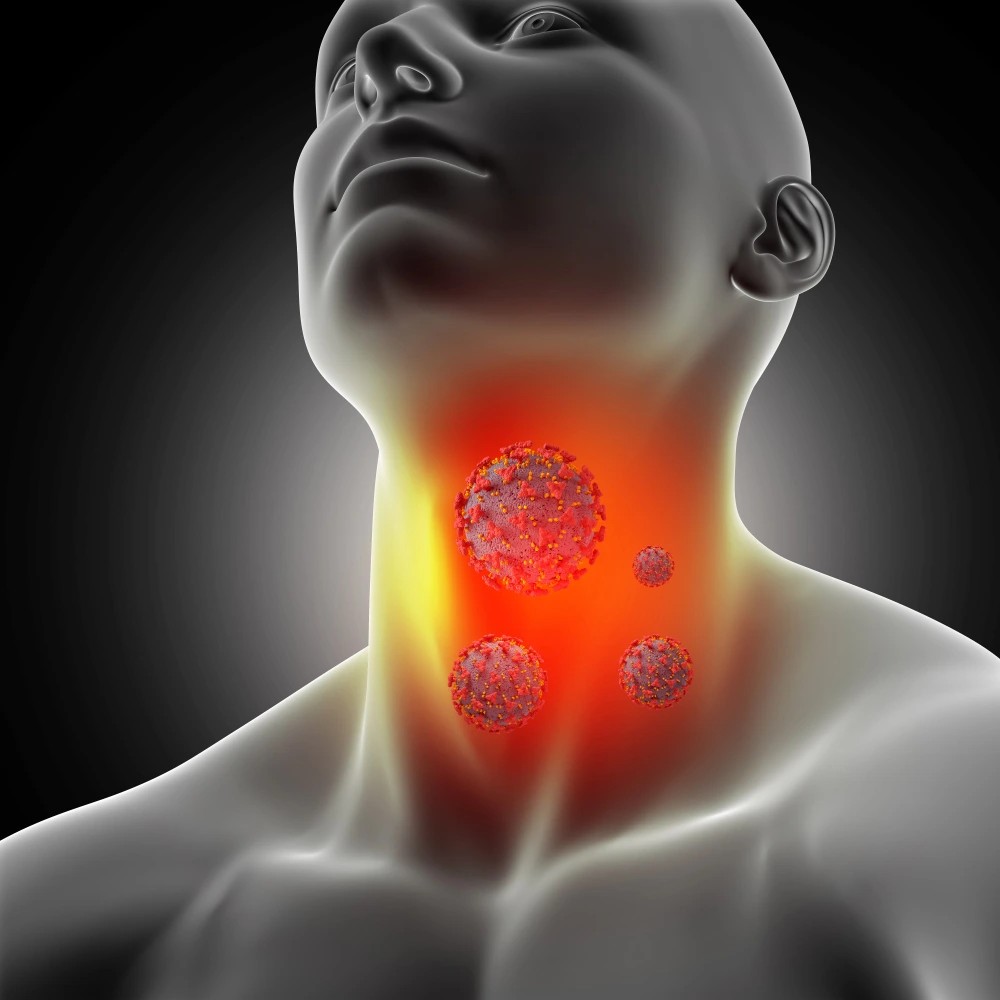
Laryngeal Squamous Cell Carcinoma (LSCC) is among the most common and life-threatening cancers affecting the respiratory tract, with tobacco consumption remaining one of its leading risk factors. Detecting the disease in its early stages remains a major clinical challenge, as subtle abnormalities in endoscopic images can be difficult to identify through conventional examination alone.
The MedLK-SCNet model has been developed to address this challenge by leveraging advanced deep learning techniques. It analyzes Narrow Band Imaging (NBI) and endoscopic images to identify both prominent and subtle microvascular patterns associated with malignant lesions, enabling more precise classification while maintaining computational efficiency.
Researchers believe the framework can function as a clinical decision-support system, helping specialists make faster and more reliable diagnostic assessments without replacing medical expertise.
Potential to Improve Healthcare Access
Beyond its technical innovation, the research carries significant public health implications. By enabling earlier identification of throat cancer, the AI model has the potential to improve treatment outcomes and increase patient survival rates.
The technology could also prove valuable in resource-constrained healthcare settings where access to experienced oncologists and advanced diagnostic infrastructure is limited. With appropriate clinical validation and deployment, the system may assist healthcare professionals in smaller hospitals and rural health centres by providing AI-based diagnostic support.
Additionally, automated image analysis could reduce dependence on repeated diagnostic procedures, lowering healthcare costs for patients while easing the workload on hospitals and specialists.
Researchers Vision
Commenting on the achievement, Prof. Puneet Mishra said the objective was to develop an AI solution with practical societal impact rather than one confined to research laboratories.
Our goal was to create an AI tool that can support clinicians in the early detection of throat cancer, making diagnosis faster, more accurate, and more accessible. We envision MedLK-SCNet as an assistive technology that complements medical expertise and ultimately benefits patients, especially in underserved regions, he said.
The publication of the study in Scientific Reports marks an important milestone for Lucknow University and underscores the growing contribution of Indian researchers to AI-driven healthcare innovation with real-world clinical applications.
Related to this topic: