Dissolve NTA, create National Testing Commission: CJP pushes for overhaul after NEET-UG 2026 chargesheet
CBI chargesheets 13 accused over alleged multi-state paper leak; party calls for permanent staff, independent audits and tighter scrutiny of exam infrastructure
Campus Times | Lucknow
The Cockroach Janta Party (CJP) has called for the dissolution of the National Testing Agency (NTA) and its replacement with a proposed National Technical Testing Commission, following the Central Bureau of Investigations (CBI) chargesheet in the NEET-UG 2026 paper leak case.
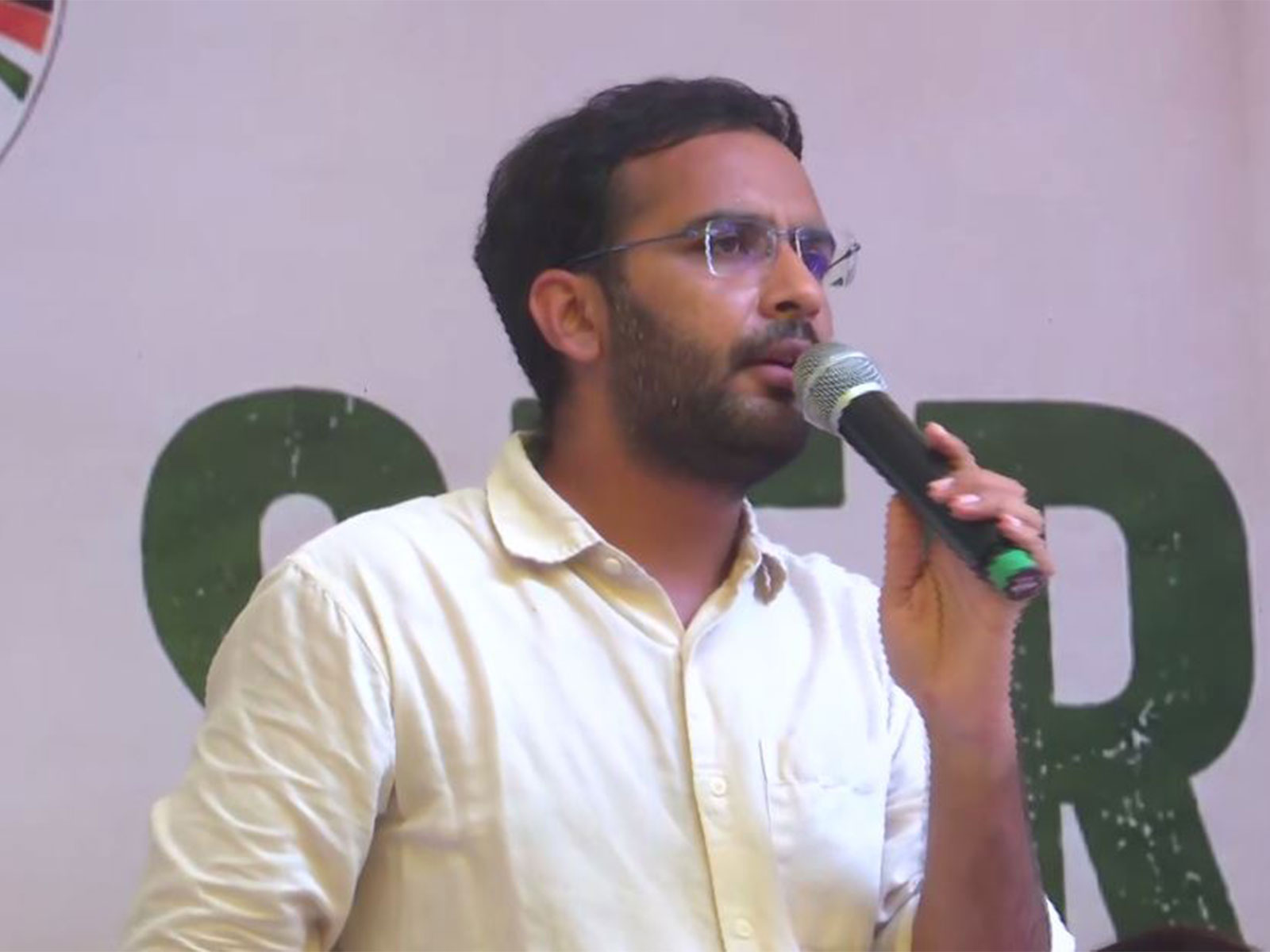
CJP spokesperson Ashutosh Ranka said the latest findings underline the need for a structural overhaul of the countrys examination system rather than addressing individual instances of malpractice in isolation. He called for a permanent workforce within the proposed body and mandatory audits of every major examination.
The CBI filed a chargesheet against 13 accused persons in the NEET-UG 2026 question paper leak case before a special court at Delhis Rouse Avenue. The accused face charges under provisions of the Bharatiya Nyaya Sanhita, the Prevention of Corruption Act and the Public Examinations (Prevention of Unfair Means) Act, 2024.
NTA-appointed experts among accused
According to the CBI investigation, the alleged leak involved people who had access to the examination material as part of the question-paper preparation process. Among those named are subject experts P.V. Kulkarni, Manisha Gurunath Mandhare and Manisha Sanjay Havaldar, associated with chemistry, biology and physics respectively.
The investigation has alleged that confidential questions were accessed before the examination and subsequently passed through a network involving intermediaries, coaching operators and candidates. The agency has relied on digital forensic material, documents, witness statements and other evidence as part of its case.
Importantly, the chargesheet filed so far does not name any NTA office-bearer as an accused. The investigation, however, has brought renewed scrutiny on the agencys procedures for selecting and handling external subject experts.
CBI probe points to serious examination-security concerns
The case centres on allegations that confidential NEET-UG 2026 questions were obtained before the May 3 examination and circulated to selected candidates. The CBI has also examined electronic devices and other material allegedly containing leaked questions and related information.
The agencys investigation has highlighted vulnerabilities in the handling of confidential examination material and the access provided to individuals involved in question-paper preparation. Earlier in the probe, the CBI had identified P.V. Kulkarni as a key alleged source of the leak and said questions dictated during private coaching sessions matched questions in the actual NEET-UG 2026 paper.
The examination was subsequently cancelled, with a re-test conducted on June 21. More than 22.7 lakh candidates had appeared for the original May 3 examination, according to reports.
CJP seeks wider probe into paper leaks
Ranka said the government should conduct a comprehensive review of paper-leak cases reported in recent years, including the controversies surrounding NEET-UG 2024 and NEET-UG 2025, and ensure that those responsible are brought to justice.
According to the CJP, the focus should extend beyond the agency conducting the examination to the broader ecosystem involved in question-paper preparation, printing, transportation, security and examination-centre management.
The party has also called for detailed audits of examination infrastructure and private vendors associated with the testing process. It argued that stronger institutional safeguards are necessary to prevent confidential examination material from being compromised.
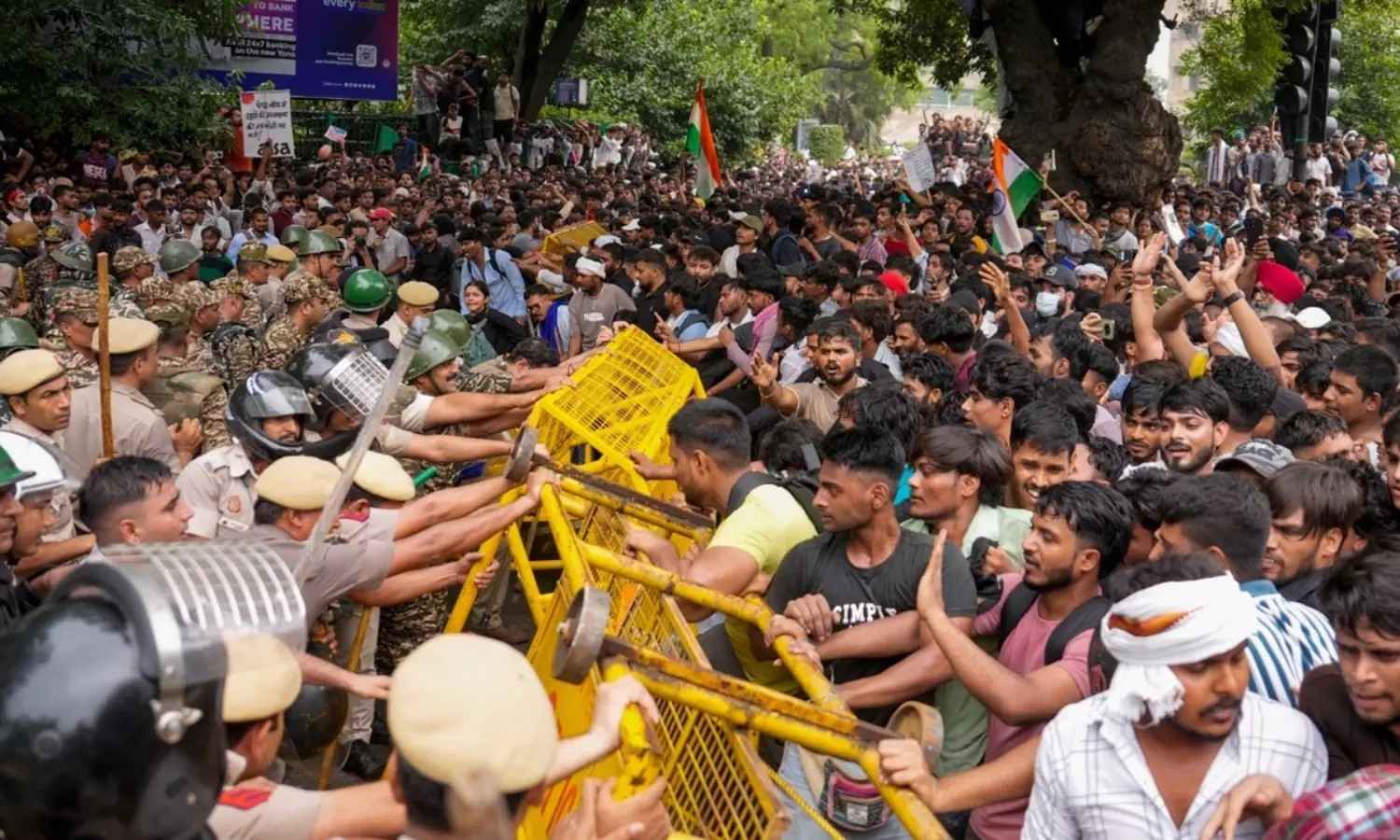
The demand comes amid renewed debate over the credibility and security of Indias high-stakes entrance examinations. With millions of students appearing for tests such as NEET-UG every year, the latest case has once again put the spotlight on the need for robust confidentiality protocols, independent oversight and accountability across the entire examination chain.
Related to this topic: